
Travel Planning · 2026-11-18
Mirissa Whale Watching Season 2026/27: When to Go, and When Trincomalee Is the Better Boat
The south-coast whale season runs roughly November to April, steadiest from December into March. What a Mirissa morning takes, and when Trincomalee is better.
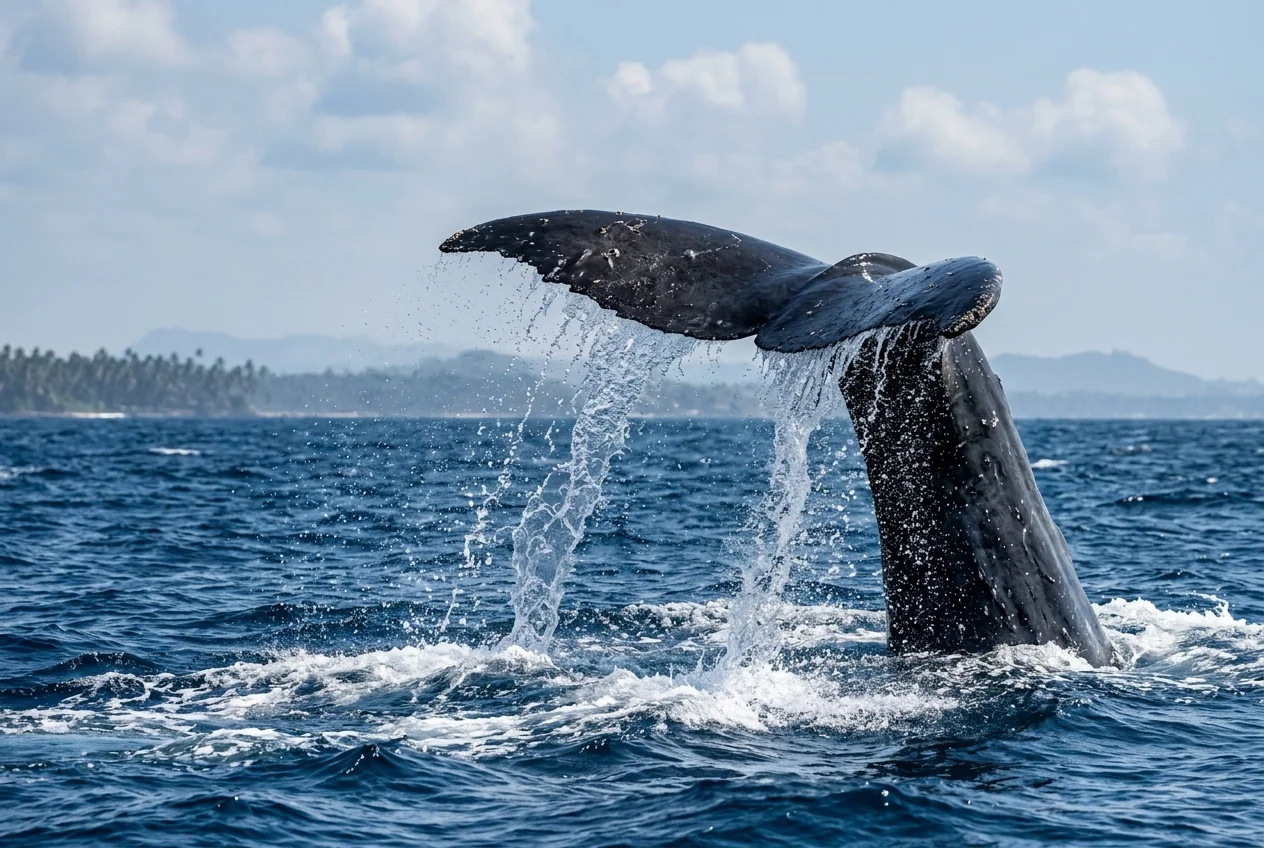
If you are planning whale watching in Sri Lanka for winter 2026/27, the useful question is which coast is in its calm season. Mirissa is the harbour most people look up first. It is the right boat from about December into March or April. It is a mixed bet in November, and it is the wrong coast in the middle of the year, when Trincomalee has the quieter sea.
Published season dates do not agree down to the week. One calendar opens the south in November and closes it in April. Another is more cautious about both edges. Treat the months below as ranges. Leave a spare morning in the stay, and do not put the boat on the only day you are on that coast.
Two coasts, two monsoons
The south and west, including Mirissa and Weligama, and the Sri Lanka Navy whale-watching cruises that leave from Galle, run roughly from November to April. November is a transition month. Some mornings are flat enough to sail. Others are called off at the harbour, or they go out and spend the passage in a difficult swell. The stretch working boats treat as the more reliable one is about December through March. April is still inside many published windows, and it is less predictable at the edges.
The east coast runs the other way. Trincomalee’s season is roughly March or May through August or October, depending on which calendar you trust. A June, July or August holiday belongs on the east, not in Mirissa. A January holiday belongs on the south.
Kalpitiya, on the north-west coast, is a third trip. Boats there are mainly for dolphins and sperm whales, around December to March or April. That is not the blue-whale shelf off Mirissa, and it does not replace that morning. Read the coast on its own on the Kalpitiya destination page.
For rain and swimming, use the south coast versus east coast weather guide.
What the south-coast season feels like in 2026/27
For a winter-sun trip, circle December, January, February and March if Mirissa is the reason you came. Christmas and New Year sit inside that window, which is why the bay and the harbour road fill up. Book the room and the car before you start comparing boats. April can still be a south-coast whale month. It can also be the week the sea turns. If April is your only option, sail on an early morning of the stay and keep a second morning free.
November 2026 needs a plainer sentence. The season is widely described as open, and some boats do go. It is also the month of mixed sea days. A cancelled departure is an ordinary south-coast morning, not proof that you chose the wrong bay. The same habit saves a March or April booking: do not leave the whale morning until the day before you drive back to Colombo.
Blue whales are the animal most people have come to see. Off the south coast they feed in the deep water of the continental shelf, about 20 to 30 kilometres out. That distance is why the trip is a sea passage, not a spin around the headland. Sperm whales, Bryde’s whales and spinner dolphins are seen on the same grounds. None of this is a promise for a given Tuesday. A settled sea and a licensed boat make a better day. They do not put a whale on a timetable, and a sighting percentage quoted for one morning is a sales line, not a forecast.
German guides call the trip Walbeobachtung and the blue whale a Blauwal. French, Dutch and British winter-sun weeks, and an Australian Christmas holiday, fall in this same south-coast window. A mid-year break lines up with Trincomalee instead.
The morning itself
Boats leave Mirissa harbour very early, around 6 or 7. Ask the afternoon before for the gate time, and arrive earlier than that. The harbour is small and dark, and a late van is how groups miss a boat they have already paid for. Staying above the bay, or on the Weligama side, means adding the drive.
Once you are outside, plan on roughly three to five hours, sometimes longer. Seasickness is common, including for people who are fine on a ferry. Eat something small, and take a seasickness tablet beforehand, not after the first roll. Sit low and near the centre. The bow looks good in photographs and is the first place a nervous stomach loses. Bring water, a hat, sun protection, a light layer for the first hour, and a dry bag for a phone.
Say so if children are coming. A straight operator will tell you when the forecast is a poor match. If the harbour cancels for sea state, take the new morning. Going out because the itinerary says “whale day” makes a grim trip, and it is worse for the animals if boats crowd whatever is close inshore.
A start around 6 or 7, lasting three to five hours, usually has you back in the late morning. The fort, the beach and lunch come after the boat.
Mirissa, Weligama, or the Navy boat from Galle
Mirissa harbour is the ordinary south-coast departure. Weligama is the same season and the same shelf. You are not on a different calendar because the guesthouse is one bay along. You do need the earlier pickup.
Galle is the other south-coast option in season: Sri Lanka Navy cruises leaving from that stretch of coast. Same months, different harbour, different boat. If you are sleeping in the fort, that sailing can be the simpler morning, provided you confirm the time the day before rather than assuming it matches Mirissa. The other way round is a Galle to Mirissa transfer the previous afternoon, then a walk in the fort on a different day.
The hills are a separate day. The Ella to Mirissa road is a full drive. Arriving at dusk and expecting to enjoy a 5am harbour call is how people spend the whale morning unwell. Sleep in Mirissa or Weligama the night before.
From Bandaranaike airport, the road via the Southern Expressway is typically about three to three and a half hours, longer in Colombo traffic or with a Galle stop. The Colombo airport to Mirissa transfer does that leg in one car. Landing and going to sea the same dawn is a bad join. Sleep first.
Where the boat sits in the week
Give the whale morning an early slot and a shadow morning. On a five-night south-coast stay, morning two or morning three is kinder than the morning you leave for the airport. If the sea is called off, the spare day still exists. If the sea is good, that spare day becomes the beach, Galle Fort, or a slow hour in Weligama.
Safaris want their own dawn. Yala and Udawalawe are both within reach, by jeep, not by riding elephants. Our Yala safari guide covers those park mornings. Do not put a whale boat and a jeep on the same day.
The Mirissa destination page is the bay itself: where the harbour sits, and why a room near it matters more than a prettier address half an hour away. If you want one driver to hold the week together, the six-day southern beaches and whale watching tour is that shape, with the boat still subject to season and sea. If you only want the departure checked against your dates, start from the whale watching experience and say which week you are travelling. The coast can be confirmed before anyone treats a sailing as booked.
How to choose the boat
The rule people in this trade refer to is the Sea Mammals (Observation, Regulation and Control) Regulations No. 1 of 2012, amended in 2019. The Sri Lanka Tourism Development Authority also publishes whale and dolphin watching guidelines. You do not need the PDF in a daypack. You do need a crew that follows those habits on the water.
Swimming with whales, snorkelling beside them, or touching them is not allowed, and it is strongly discouraged even when someone on deck shrugs. A proper boat keeps its distance, does not chase, and does not box an animal in. The number of boats around one whale is meant to stay limited. If your skipper is racing another hull for a closer angle, you are on the wrong boat.
Before you pay, ask whether the operator is licensed, what time the harbour gate is, how long they stay out, and what happens if the sea cancels the morning. A shared boat is the ordinary way to do this. A private charter does not buy a whale, and it should not buy a closer approach than the rules allow.
Two notes that are easy to miss this winter
French bee flies Paris-Orly to Colombo from 19 December 2026 to 2 May 2027, inside the south-coast whale season. Check which days it actually operates before you build a Mirissa week around one flight.
Since 25 May 2026, a 30-day tourist ETA has been free for travellers from 40 countries. Confirm your passport and apply on the official site, eta.gov.lk, before you travel.
Book the room, the driver, and a boat morning that can move. The animal is wild, the sea has a veto, and the season is a range.
Frequently asked questions
When is Mirissa whale watching season in 2026/27?
The south coast, including Mirissa, Weligama and the Navy cruises from Galle, runs roughly from November to April. November is a transition month with mixed sea days. The more reliable months are about December through March, and April is still inside many published calendars. The exact weeks differ between sources, so keep a spare morning.
What is the best time for whale watching in Sri Lanka?
It depends on the coast. December to March or April is the steadier period off Mirissa. Trincomalee, on the east coast, is roughly March or May through August or October. Kalpitiya is mainly dolphins and sperm whales around December to March or April, not a stand-in for the Mirissa blue-whale trip.
Should we choose Mirissa or Trincomalee for whales?
Choose Mirissa in the south-coast season, especially December to March. Choose Trincomalee in the east-coast season, especially the middle of the year. Around March, April and May, ask a licensed operator which coast is actually sailing that week.
What time do Mirissa whale boats leave, and how long is the trip?
Boats leave Mirissa harbour around 6 or 7 in the morning. The trip takes roughly three to five hours, sometimes longer. Eat light, take a seasickness tablet beforehand, sit low and near the centre, and bring water and sun protection.
Can you swim with whales in Mirissa?
No. Swimming, snorkelling with, or touching whales is not allowed, and it is strongly discouraged. Choose a licensed operator that keeps its distance, does not chase or box animals in, and does not crowd one whale with a pack of boats. That is what the Sea Mammals (Observation, Regulation and Control) Regulations No. 1 of 2012, amended in 2019, and the SLTDA whale and dolphin watching guidelines are there to enforce.